
My biology background involves a lot of microbiology and plant biology. Below are courses recently taught. (I’ve also taught introductory biology, botany, and medical microbiology courses in the past.)
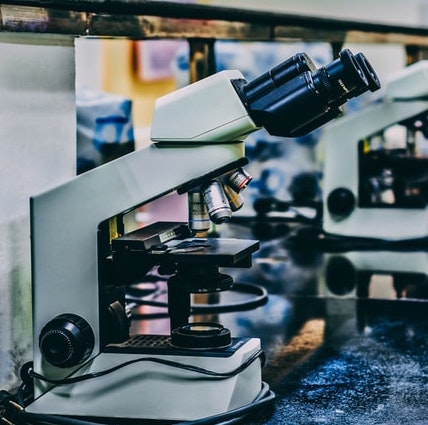
Introductory Microbiology & Techniques
BIOL-2071 is an exploration of the invisible world of bacteria, archaea, fungi, microscopic protists, viruses and prions. It includes a lab component that introduces major techniques required to work safely with microbes.
I have been using a free, online text (this one or an updated version of it): https://ecampusontario.pressbooks.pub/microbio/
Prerequisites: BIOL-1111 & BIOL-1101).

Microbes in the World: Microbial Ecology
BIOL 4370 focuses on microbes in the environment, relationships between microbes and larger organisms, and microbial activities in processes such as bioremediation. There are integrated skill development aspects (e.g., skills often used in graduate/professional study and future careers).
Prerequisites: BIOL-2101 & BIOL-2070 or 2071).
Image by Dominika Boron.
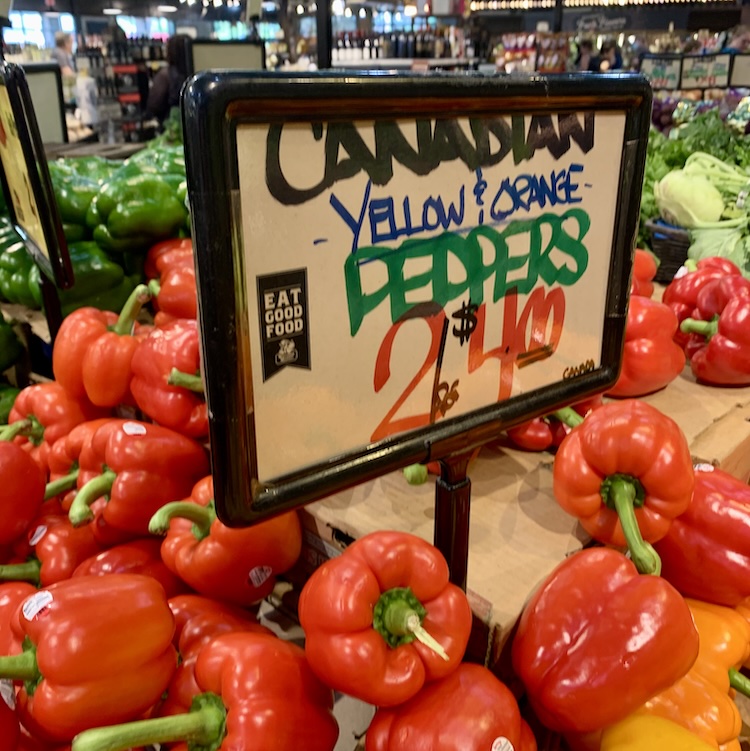
Economic Botany
How does economic botany fit into our lives, industries, and inform environmental stewardship/action? BIOL 2080 focuses on the basics of plant biology, physiology, development, and evolution through the lens of plants that are considered important to society. Economic botany is the study of plants (and a few organisms that were previously considered plants) that humans eat, grow, wear, and use in a variety of products and situations.
Textbook: Levetin, E., & McMahon, K. (2024). Plants and society (9th ed.). McGraw-Hill Canada Ryerson. (Part of UWindsor textbook access program, but there are hard copy, and/or 2nd hand ones out there – older versions are fine.)
Prerequisites: BIOL-1111 & BIOL-1101.

I occasionally supervise some undergraduate research projects (Outstanding Scholars, Biology Honours Thesis) on biology/microbiology education topics.
Some cool teaching-related/focused organizations and conferences:
oCUBE (Open Consortium of Undergraduate Biology Educators)
ASMCUE (American Society for Microbiology Conference for Undergraduate Educators)

